
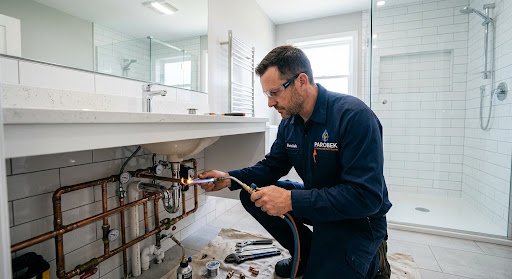
A dripping tap might seem like a simple problem that can be solved by tightening a fitting. However, what happens when the dripping returns a few weeks later? Many household plumbing problems appear straightforward on the surface, but their underlying causes can be more complicated. Fixing only the visible issue may provide temporary relief while allowing the original problem to continue developing.
Effective plumbing repairs involve understanding why something has gone wrong before deciding how to fix it. This approach can prevent repeated breakdowns, reduce unnecessary expenses, and protect the overall condition of a property's plumbing system.
The Difference Between Symptoms and Causes
Plumbing symptoms are the visible or noticeable signs that something is not functioning correctly. These may include dripping taps, slow drainage, unpleasant smells, fluctuating water pressure, or unexpected moisture around fixtures.
The cause is the actual condition responsible for producing those symptoms.
For example, a slow-draining sink might initially appear to have a simple blockage. However, the problem could involve accumulated grease, damaged pipes, incorrect drainage gradients, or an obstruction deeper within the plumbing system.
Removing debris near the drain opening might improve water flow temporarily, but it will not resolve a damaged pipe or a recurring obstruction further along the drainage line.
Identifying the underlying cause helps determine which repair method will provide a lasting solution.
Why Repeated Plumbing Repairs Become Expensive
Many homeowners choose quick repairs because they appear cheaper and less disruptive. While temporary solutions can be useful during emergencies, relying on them repeatedly may increase overall maintenance costs.
Consider a toilet that regularly becomes blocked. Each time the blockage occurs, someone clears it and normal flushing resumes. However, if the actual problem involves damaged drainage pipes or an obstruction further along the sewer line, the issue is likely to return.
Repeated service visits, cleaning expenses, and potential water damage can eventually cost more than investigating and repairing the original problem.
Experienced plumbers in the Eastern Suburbs can assess recurring plumbing concerns and recommend appropriate solutions based on the condition of the system rather than simply treating the latest symptoms.
Hidden Leaks Require More Than Surface Repairs
Water leaks are particularly concerning because their visible signs do not always reveal where the problem originates.
A damp patch on a bathroom wall might suggest leaking shower fittings, but the moisture could also come from deteriorated waterproofing, concealed pipe connections, or drainage problems.
Painting over the affected area or replacing damaged plaster without addressing the moisture source will not prevent further deterioration.
Professional leak detection methods can help identify where water is escaping and determine whether plumbing repairs are required.
Once the source has been addressed, affected materials can be assessed for drying, repair, or replacement.
How Incorrect Repairs Can Affect Other Plumbing Components
Household plumbing systems contain connected pipes, valves, fixtures, and drainage components. A problem in one section can sometimes influence performance elsewhere.
For example, unusually high water pressure may contribute to premature wear in flexible hoses, valves, and plumbing connections.
Replacing a leaking hose without investigating excessive pressure could leave other components exposed to the same conditions.
Similarly, recurring drainage issues may indicate problems beyond an individual sink or toilet.
Understanding how different components interact allows plumbers to recommend repairs that consider the broader system rather than focusing exclusively on one fixture.
The Importance of Proper Plumbing Diagnosis
Accurate diagnosis is an essential part of effective plumbing maintenance.
Depending on the problem, plumbers may use pressure testing, moisture detection equipment, drain cameras, or other inspection methods to investigate the condition of pipes and fittings.
These tools can help locate concealed leaks, identify damaged drainage sections, and distinguish between different potential causes.
However, equipment alone does not guarantee an accurate diagnosis. Professional experience is important when interpreting inspection findings and deciding which repairs are necessary.
A thorough assessment can also help homeowners avoid replacing components that are still functioning correctly.
Preventing Future Problems Through Better Repair Decisions
Addressing the underlying cause of plumbing problems creates opportunities for more effective preventive maintenance.
If repeated blockages result from grease accumulation, changing kitchen waste disposal habits may help reduce future problems. If corrosion is responsible for recurring pipe leaks, assessing the condition of nearby pipework may be more practical than replacing individual damaged sections repeatedly.
Homeowners should also pay attention to changes in water pressure, unusual noises, persistent moisture, and recurring drainage difficulties.
Discussing these observations with a qualified plumber can make it easier to identify patterns and determine whether further investigation is worthwhile.
Conclusion
A successful plumbing repair should do more than make an immediate problem disappear. It should address the conditions responsible for the issue and reduce the likelihood of the same fault returning.
Whether dealing with hidden leaks, recurring blockages, or damaged pipework, identifying the underlying cause supports better repair decisions and more reliable plumbing performance.
By prioritising proper diagnosis, professional workmanship, and preventive maintenance, homeowners can protect their properties while avoiding the frustration and expense of repeated temporary repairs.